
Guide••4 min read
Heat press temperatures & fabric compatibility chart
A practical reference for press temperatures, dwell times, and fabric compatibility across sublimation, vinyl, and DTF transfers.
The press settings matter more than the design. A perfect graphic underpressed at the wrong temperature will lift in the wash. An average graphic pressed correctly will outlast the garment.
This guide collects the settings we actually use in our Durbanville studio across the most common combinations of fabric, transfer type, and substrate. It is the reference we use ourselves, written down for anyone running their own press or trying to understand why their last attempt failed.
Choosing the method first, before the press settings? Start with our pillar guide on custom printing methods.
Sublimation on polyester apparel
Sublimation requires high heat to convert solid ink to gas. The standard recipe for polyester apparel is 200°C for 60 seconds at medium pressure.
100% polyester gives the brightest colour. Cotton-poly blends below 65% polyester produce a faded, vintage-look print, which is sometimes desired but usually not. Pure cotton does not sublimate at all because there are no polyester fibres for the gas to bond with.
Always use a Teflon sheet or a clean piece of butcher paper between the press and the transfer. Always pre-press the garment for 5 seconds to remove moisture before laying down the transfer. Damp fabric produces ghosting, which is a faint shadow next to the main image.
Sublimation on hard substrates
Hard substrates need a different temperature window because the polymer coating cures differently from polyester fibre.
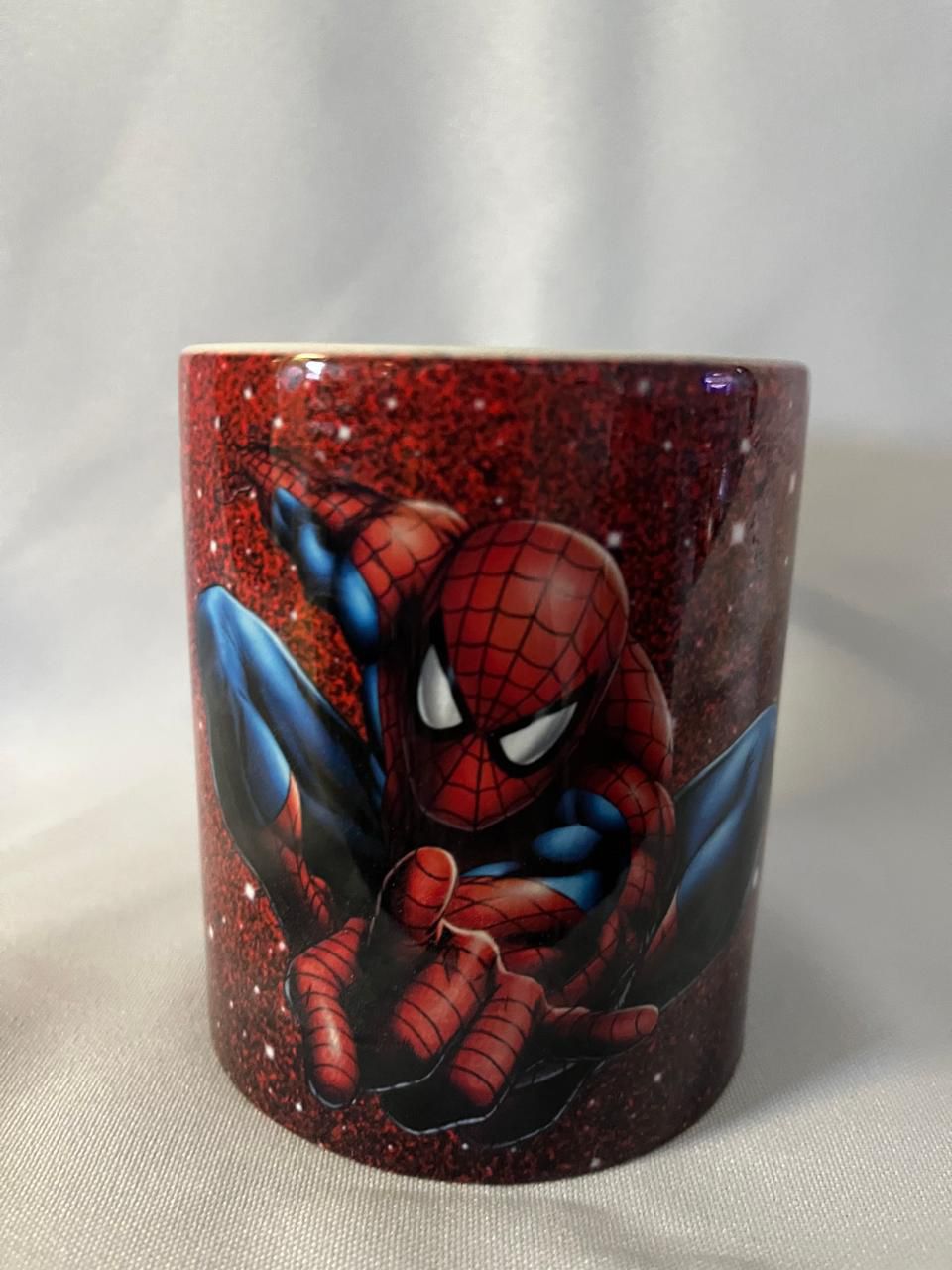
For 11oz and 15oz ceramic mugs we run 200°C for 240 seconds in a mug press, then plunge into cool water for 30 seconds to lock the print. For polymer-coated metal panels we use 200°C for 90 seconds at firm pressure with a heat-resistant pad underneath.
For ceramic tiles and slate coasters, drop the temperature to 195°C and extend the dwell to 360 seconds. The denser substrate takes longer to reach core temperature and rushed prints come out faded in the centre.
Heat-transfer vinyl on cotton
HTV on cotton is the easiest combination to press well, which is why it is the entry point for most home crafters.
Standard HTV presses at 150°C for 15 seconds at firm pressure. Peel the carrier sheet warm for most modern vinyls. Some specialty vinyls require a cold peel, so always check the manufacturer sheet that came with the roll.
For thicker garments like hoodies and sweatshirts, add 5 seconds to the dwell time to compensate for the heat being absorbed into the extra fabric. For thin tech tees, drop the temperature to 140°C to avoid scorching.
Heat-transfer vinyl on polyester
Polyester HTV is a different category of vinyl from cotton HTV. Standard cotton vinyl pressed onto polyester at 150°C will work in the moment but will start to peel within ten washes because the bonding chemistry is wrong.
Use a polyester-specific or "low temp" HTV. Press at 125°C to 135°C for 10 to 15 seconds at light pressure. The lower temperature prevents the polyester fibres from melting and prevents the dye in the garment from migrating into the vinyl, which causes a colour shift called dye sublimation bleed.
For sports kit, performance fabric, and lycra, low-temp HTV is the only correct choice.
DTF transfers across all fabrics
Direct-to-film transfers are the most flexible heat-applied option available. They work on cotton, polyester, blends, denim, canvas, and even some leathers.
Standard DTF presses at 160°C for 15 seconds at medium pressure with a cold peel. After the carrier is removed, do a second press with a Teflon sheet on top for another 10 seconds. This second press locks the print and gives a soft hand-feel.
DTF is our recommended method for one-off custom prints where the design has many colours and the fabric is not pure polyester. The trade-off is a slightly thicker hand-feel than sublimation and a higher per-unit cost than vinyl on small runs.
When in doubt, test on a scrap
Every fabric behaves slightly differently. The settings above are starting points, not absolutes. A test press on a hidden hem or a spare piece of the same fabric tells you in 30 seconds whether your settings are right.
If you are running a large job for a school, a club, or a corporate, we strongly recommend a sample press before the full run. We do this routinely on every batch we produce and it has saved many jobs from going wrong at scale. Get a quote for production runs, or see our pricing for current rates on press time, sample runs, and small-batch transfers.
A heat press is not a magic box. It is a tool with three variables: temperature, time, and pressure. Get all three right for the specific transfer and fabric in front of you, and the result is reliable, repeatable, and durable. Get one of them wrong and the best transfer in the world will fail.
Want a quote on something similar? We reply within 24 hours.