
Guide••5 min read
Why sublimation doesn't crack like vinyl
The science of why a sublimated print outlasts a vinyl one — what's actually happening at the molecular level on your shirt or mug.
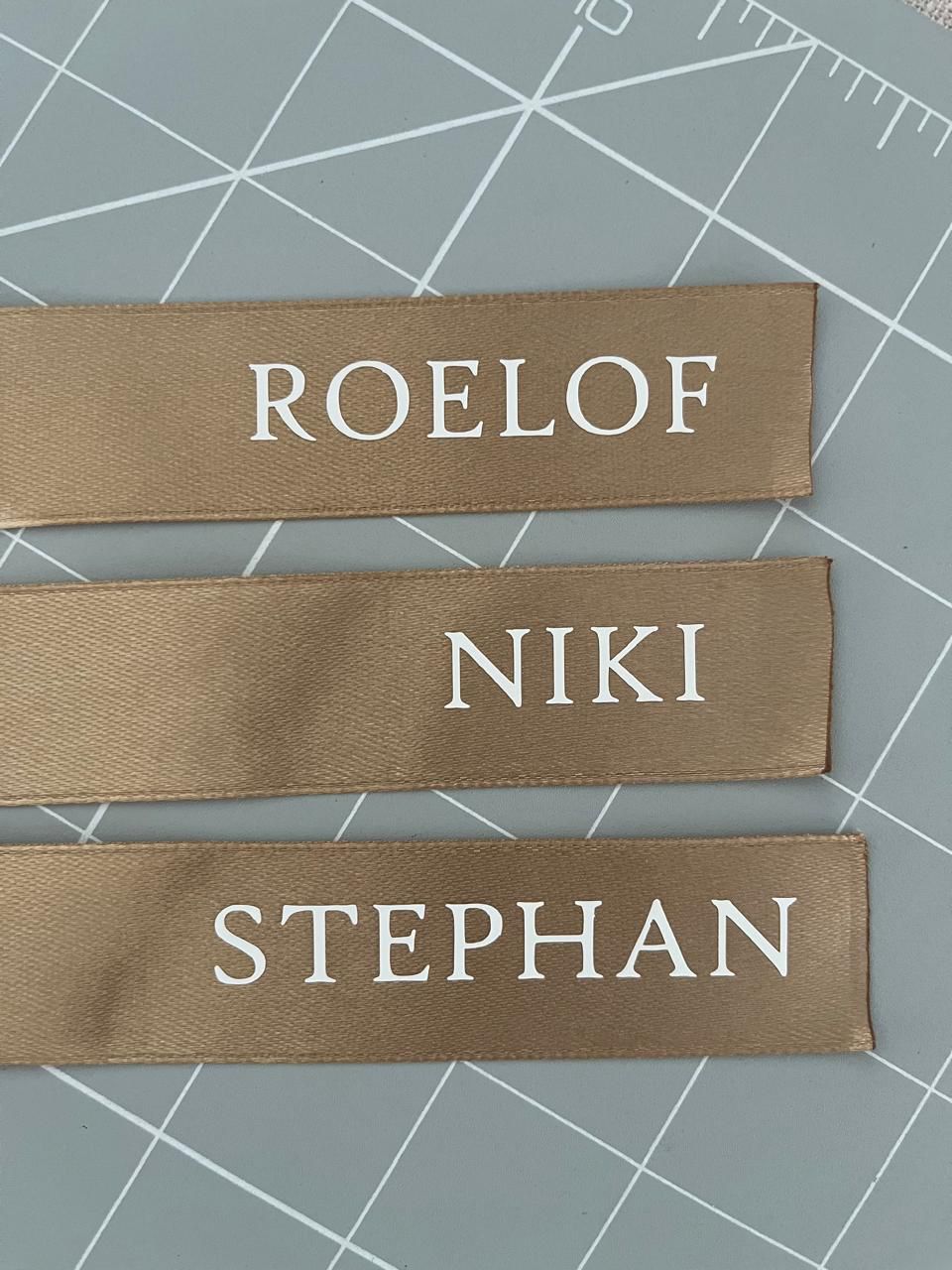
Hand someone a five-year-old sublimated polyester shirt and the print looks the same as the day it was pressed. Hand them a five-year-old vinyl-printed shirt and the design has cracks running through it, edges lifting, and colour fading in the high-friction areas.
Both prints came out of a heat press. Both were applied with care. The difference is what is actually happening at the molecular level when each one is created. Understanding that difference is the easiest way to predict which prints will last and which will not.
This is part of our pillar guide on custom printing methods, which ranks all five methods by lifespan based on five years of Sublify reorder data.
Vinyl is a sticker that is fused on top
Heat-transfer vinyl is a layer of pigmented PVC or polyurethane film with a heat-activated adhesive on the back. When you press it onto a shirt at 150°C for 15 seconds, the adhesive melts and bonds to the fabric. The vinyl itself sits on top of the fabric as a separate layer.
You can see this with your fingernail. Run it across the edge of any vinyl design and you will feel the step from fabric to print. That step is the print perimeter, and it is where every vinyl failure begins.
Every wash cycle, every stretch, every fold, every iron pass, every machine spin puts mechanical stress on that perimeter. Over hundreds of cycles, the adhesive bond at the edges weakens. Air gets underneath. Friction lifts a corner. Once a corner lifts, the rest follows.
This is not a defect. It is the inherent physics of a thin polymer film bonded to a flexible fabric substrate. Even a perfectly applied vinyl print has a finite lifespan because the bond is mechanical and adhesive-based.
Sublimation is ink that becomes part of the fibre
Sublimation does something fundamentally different. Sublimation ink is a solid pigment in a wax-like carrier. When heated to 200°C under pressure, the ink skips the liquid phase entirely and becomes a gas. This is the actual chemistry behind the name.
The gas penetrates the surface of polyester fibres or polymer coatings. As the temperature drops, the gas re-solidifies inside the substrate, locked between the polymer chains.
There is no layer on top. There is no edge to lift. The colour is now part of the molecular structure of the fibre or the coating itself. Run your fingernail over a sublimated shirt and you cannot feel where the print is. The fabric is dyed, not coated.
Why this matters in real-world wear
A vinyl print fails at the edges first. A sublimated print does not have edges in the structural sense, so the failure modes are completely different.
What can damage a sublimated print is what damages the substrate itself. Strong UV exposure breaks down the polymer chains over many years and causes the colour to fade. Bleach attacks the fibre and washes the colour out with it. Abrasive scrubbing on a coated mug eventually wears through the polymer coating and takes the colour with it.
But normal wash cycles, normal wear, and normal use do nothing meaningful to a sublimated print. The colour cannot crack because there is nothing to crack. The colour cannot peel because there is nothing to peel.
This is why we recommend sublimation for any item that will be washed often, used daily, or kept for years. Photo gifts, sports kit, daily-use mugs, and family heirloom items all suit sublimation specifically because the print durability matches the expected lifespan of the substrate.
Why vinyl still has a place
This is not an argument for sublimation in every situation. Vinyl has real advantages that sublimation cannot match.
Vinyl works on cotton, dark fabrics, and any colour of fabric. Sublimation requires polyester or polymer-coated substrates and only works well on light colours.
Vinyl is faster and cheaper for small runs of single-colour designs. Sublimation requires more setup time and a printed transfer sheet for every job.
Vinyl can produce metallic, glitter, reflective, and flock finishes that sublimation cannot. If you want a holographic school logo or a reflective high-vis name, vinyl is the only practical option.
The right choice depends on the substrate, the design complexity, the expected lifespan, and the budget. We have a separate post on sublimation vs vinyl that walks through the decision in more detail.
What this means for your next order
If you are ordering anything that will live in a daily-use environment for years — a coffee mug, a photo cushion, a polyester sports shirt, a desk panel — sublimation is almost always the right method. The price difference per unit is small. The durability difference over five years is enormous.
If you are ordering a short-run cotton t-shirt, a single-colour name on a tracksuit, or a high-volume promotional item where price is the main constraint, vinyl is usually the right answer.
For specific advice on what suits your project, get a quote with your design and we will recommend the right method based on the substrate and the use case. You can also see our pricing for current rates on both methods. The science is on the side of sublimation for longevity, but the right tool for the job is always the one that matches what you are actually trying to do.
Want a quote on something similar? We reply within 24 hours.